Ceramic Coating Removal: When and Why It’s Needed in Ceramic Coating Roseville
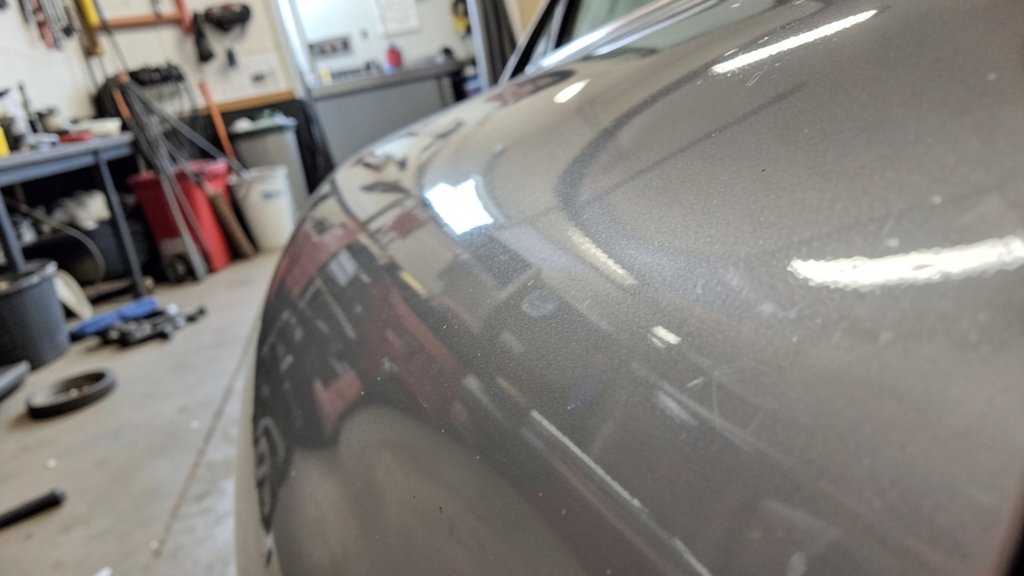
Ceramic coatings are built to last, but even the best applications can fail over time. When hydrophobicity fades, water spots linger, or oxidation creeps in, removal may be the only path to restore your vehicle’s finish. Our team sees this often in the Sacramento Valley heat, where UV and hard water take a toll faster than many expect.
Signs Your Ceramic Coating Is Failing and Needs Removal
The first red flag is a loss of beading. If water no longer sheets off in tight, uniform droplets, the hydrophobic layer is breaking down. This often happens after 2–3 years in our intense Roseville sun, where UV rays accelerate polymer degradation.
Persistent water spots are another giveaway. Hard water minerals etch into the coating’s surface, leaving behind stubborn stains that resist normal washing. These spots worsen in areas like Granite Bay, where irrigation and sprinklers are common.
Oxidation and dullness are late-stage symptoms. If your paint looks hazy or lacks depth, the coating may have chemically failed. At this point, removal is necessary before any reapplication—skipping this step traps contaminants under a new layer.
Applying a new ceramic coating over a degraded layer leads to poor adhesion, reduced longevity, and wasted effort. Full removal ensures a clean, contaminant-free surface for optimal bonding.
Common Reasons for Ceramic Coating Removal in Roseville, CA
Improper application tops the list. DIY jobs or rushed prep work leave behind oils, waxes, or uneven layers. Without a flawless base, the coating’s performance suffers from day one.
Physical damage is another culprit. Swirl marks from automatic car washes or deep scratches compromise the coating’s integrity. In Rocklin and Lincoln, where gravel roads are common, this happens faster than in urban areas.
Chemical contamination also forces removal. Harsh cleaners, industrial fallout, or even bird droppings left too long can etch through the coating. Citrus Heights’ mix of urban and rural driving exposes vehicles to a wide range of pollutants.
Ceramic Coating vs. Wax vs. Sealant: Longevity and Removal Differences
Unlike waxes or synthetic sealants, ceramic coatings bond chemically to the paint. This makes them far more durable but also harder to remove. Wax washes off in weeks; a ceramic coating requires mechanical or chemical stripping.
Sealants last 6–12 months and can be broken down with strong degreasers. Ceramic coatings, however, often need abrasive polishing or specialized compounds to fully eliminate. This is why professional removal is critical—amateur attempts can damage clear coat.
| Type | Longevity | Removal Method | Durability Against UV/Heat |
|---|---|---|---|
| Ceramic Coating | 2–5+ years | Abrasive polishing or chemical stripping | Excellent |
| Synthetic Sealant | 6–12 months | Strong degreasers or clay bar | Good |
| Natural Carnauba Wax | 1–3 months | Regular washing or mild chemicals | Fair |
The Ceramic Coating Removal Process: What to Expect
We start with a thorough wash and decontamination. Iron particles, tar, and embedded grime must be removed to avoid scratching the paint during stripping. This step is non-negotiable for a safe, effective removal.
Next, we assess the coating’s condition. A paint thickness gauge helps determine how much clear coat we can safely remove. In cases of heavy oxidation, we may recommend paint correction afterward to restore clarity.
The actual stripping uses a combination of fine abrasives and chemical agents. We avoid aggressive compounds that could damage the underlying paint—precision is key, especially on darker vehicles where swirls are more visible.
Removing a coating in cooler months (like Roseville’s winter) reduces the risk of heat-induced curing issues during reapplication. Always plan removal and reinstallation in the same session if possible.
Can You Remove Ceramic Coating at Home?
Technically, yes—but it’s risky. DIY kits often use harsh compounds that can thin your clear coat or leave holograms. Without a paint thickness gauge, you might not realize the damage until it’s too late.
Professional tools like dual-action polishers and high-quality pads make a difference. In Antelope or Rocklin, where dust and pollen are constant, improper removal can leave behind contaminants that sabotage your next coating.
Even ‘mild’ ceramic coatings require careful handling. If you’re unsure, our team can inspect your vehicle and recommend the safest path forward. It’s better to invest in proper removal than to fix a botched job.
What Comes After Removal? Prep for a Fresh Coating
Post-removal, the surface must be pristine. Any remaining oils, old wax, or residual coating will prevent the new layer from bonding properly. We use clay bars and IPA wipes to ensure a blank slate.
Paint correction is often the next step. Swirl marks, scratches, or oxidation left behind will be sealed under the new coating, making them permanent. A full polish restores the paint’s gloss before protection is reapplied.
For maximum durability, consider pairing ceramic coating with other services. Paint Protection Film (PPF) on high-impact areas, ceramic window tint for UV defense, or wheel coating to prevent brake dust buildup all extend your vehicle’s protection.
Post-Removal Prep Checklist
- Wash and decontaminate the entire vehicle
- Clay bar treatment to remove embedded particles
- Inspect and measure paint thickness
- Perform paint correction if needed
- Final wipe-down with isopropyl alcohol (IPA)
- Apply new ceramic coating within 24 hours to prevent oxidation
How Climate in Roseville, CA Affects Ceramic Coating Lifespan
Our region’s hot, dry summers and cool, wet winters are tough on coatings. UV exposure in the Sacramento Valley breaks down polymers faster, while winter rain introduces hard water minerals that etch surfaces.
Temperature swings also stress the coating. A vehicle parked in Granite Bay’s sun all day then driven through Rocklin’s chilly evenings experiences thermal cycling that can cause micro-cracking over time.
Dust from local construction or pollen from Citrus Heights’ trees adds another layer of abrasion. Regular maintenance washes help, but even the best care can’t prevent eventual degradation in this climate.
How to Tell If Your Ceramic Coating Is Beyond Saving
Not every issue requires full removal—here’s how to diagnose the problem.
- 1Test Water Behavior
Spray water on a clean panel. If it doesn’t bead tightly or sheets off unevenly, the hydrophobic layer is compromised.
- 2Inspect for Water Spots
Look for etched rings or cloudy areas after washing. These indicate mineral deposits have penetrated the coating.
- 3Check for Oxidation
Run your hand over the paint. A rough or dull feel suggests oxidation, which means the coating is no longer protecting the surface.
- 4Assess Gloss Levels
Compare your vehicle’s shine to a freshly coated one. If the depth and clarity are missing, the coating may be failing.
- 5Look for Swirl Marks
Under direct light, check for fine scratches. If they’re visible through the coating, it’s no longer providing adequate protection.
- 6Consult a Professional
If you’re unsure, our team can perform a paint thickness reading and hydrophobic test to confirm whether removal is needed.
Frequently Asked Questions
How long does ceramic coating removal take in Ceramic Coating Roseville?
The process typically takes 4–6 hours for a full vehicle, depending on the coating’s condition and the size of the car. Larger vehicles or those with heavy oxidation may require additional time. We always recommend scheduling a consultation for an accurate estimate.
Will removing ceramic coating damage my paint?
Not when done professionally. We use controlled abrasives and monitor paint thickness to ensure the clear coat remains intact. DIY attempts with harsh compounds, however, can cause permanent damage.
Can I apply a new ceramic coating immediately after removal?
Yes, but the surface must be fully prepped first. After removal, we perform a final decontamination and IPA wipe to ensure no residues remain. Reapplying within 24 hours prevents oxidation from setting in.
Is ceramic coating removal necessary before switching to PPF?
Absolutely. Paint Protection Film (PPF) adheres best to a clean, uncoated surface. Attempting to install PPF over a ceramic coating can lead to poor adhesion, bubbling, or premature failure of both products.
What’s the cost of ceramic coating removal in areas like Rocklin or Lincoln?
The cost depends on factors like vehicle size, coating condition, and whether paint correction is needed afterward. For an exact figure, we recommend requesting a quote—this allows us to assess your vehicle’s specific needs.
How can I extend the life of my ceramic coating in Roseville’s climate?
Regular maintenance washes with pH-neutral shampoos, immediate removal of bird droppings or water spots, and parking in shaded or covered areas all help. We also suggest reapplying a maintenance spray coating every 6–12 months to refresh hydrophobicity.