Does Layering Extend Ceramic Coating Lifespan in Ceramic Coating Roseville, CA?
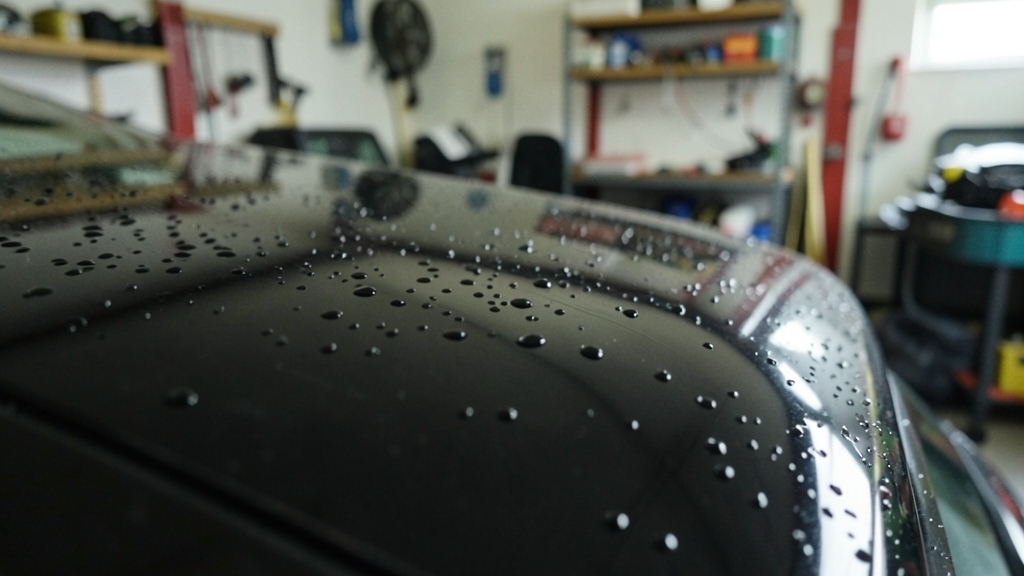
Layering ceramic coatings is a hot topic among Roseville car owners seeking maximum protection. We break down whether stacking layers actually extends lifespan or if it’s just overkill for your vehicle’s finish. The answer depends on chemistry, climate, and application precision.
How Ceramic Coatings Bond to Your Vehicle’s Paint
Ceramic coatings rely on a chemical bond with your clear coat, forming a semi-permanent layer of SiO2 or TiO2 nanoparticles. This bond is what gives them their legendary durability, not the thickness of the product itself.
In Roseville’s dry, sunny climate, UV resistance is critical. A single, properly applied layer can already block 99% of UV rays, preventing oxidation and fading without needing extra thickness.
The Science Behind Layering Ceramic Coatings
Layering means applying a second (or third) coat of ceramic product after the first has cured. Some installers claim this adds depth to gloss and extends hydrophobic performance.
However, most high-quality coatings like Gyeon, Ceramic Pro, or IGL are engineered for optimal performance in one layer. Additional layers may not bond as effectively, risking uneven curing or reduced adhesion.
SiO2 nanoparticles have a finite bonding capacity. Stacking layers beyond the manufacturer’s recommendation often yields diminishing returns.
Does Layering Actually Extend Lifespan?
In controlled tests, a second layer can slightly enhance water beading and slickness, but it doesn’t significantly extend the coating’s lifespan. The base layer’s durability is the limiting factor.
Roseville’s heat and occasional dust storms can degrade coatings faster. A single, well-maintained layer with regular washing and decontamination will outlast a poorly applied multi-layer job.
When Layering *Might* Make Sense
For high-end or show cars in Ceramic Coating Rocklin or Granite Bay, some owners opt for layered coatings to achieve a deeper, more reflective finish. This is purely aesthetic, not functional.
Fleet vehicles in Ceramic Coating Citrus Heights or Lincoln may benefit from layered coatings on high-wear areas like hoods or roofs, where extra UV and chemical resistance is desired.
| Scenario | Potential Benefit | Risk |
|---|---|---|
| Show cars (Granite Bay) | Enhanced gloss depth | Diminishing durability returns |
| Fleet vehicles (Lincoln) | Extra UV protection | Higher material cost |
| Daily drivers (Roseville) | Minimal lifespan gain | Uneven curing possible |
Climate Considerations in Roseville and Nearby Areas
Roseville’s Mediterranean climate means intense sun and low humidity. A single ceramic coating layer is often sufficient for 2-5 years of protection, assuming proper prep and maintenance.
Nearby areas like Antelope or Rocklin see similar conditions. Layering won’t compensate for poor prep—paint correction and thorough decontamination are non-negotiable for longevity.
90% of coating failures stem from improper paint prep. Focus on correction and decontamination before considering extra layers.
Ceramic Coatings vs. Paint Protection Film (PPF)
If you’re chasing maximum durability, PPF installation is a better investment than layering coatings. PPF physically shields paint from rock chips and scratches, while coatings add chemical resistance.
Many Roseville owners combine both: PPF on high-impact areas (front bumper, hood) and a ceramic coating over the entire vehicle for a balanced approach.
Maintenance Matters More Than Layer Count
A single-layer coating with regular maintenance (pH-neutral washes, annual decontamination) will outperform a multi-layer coating that’s neglected. Roseville’s dusty roads demand frequent cleaning to prevent contaminants from bonding.
For wheel and brake caliper ceramic coating, layering is even less effective—these areas endure extreme heat and brake dust, where a single, heat-resistant coating is ideal.
Ceramic Coating Maintenance Essentials
- Wash with pH-neutral soap every 2 weeks
- Use iron remover spray monthly
- Avoid automatic car washes with harsh brushes
- Reapply a ceramic boost spray every 6 months
What the Experts Recommend for Roseville Drivers
Our team advises sticking to the manufacturer’s recommended layers—usually one. For most daily drivers in Roseville, Antelope, or Citrus Heights, a single layer paired with paint correction delivers a strong cost-to-benefit ratio.
For commercial vehicles or high-value cars, consider a ceramic coating with a maintenance plan. Interior ceramic protection and headlight restoration & coating are also smart add-ons for full-vehicle care.
How to Decide If Layering Is Right for Your Vehicle
Use this step-by-step guide to evaluate whether layering ceramic coatings aligns with your goals and driving conditions.
- 1Assess Your Goals
Determine if you prioritize aesthetics (gloss depth) or protection. Layering helps the former; a single layer suffices for the latter.
- 2Evaluate Your Climate
Roseville’s UV exposure is high, but a single coating handles it well. Layering won’t significantly improve UV resistance.
- 3Check Manufacturer Guidelines
Review your chosen coating’s specs. Most premium brands (e.g., Ceramic Pro, Gyeon) specify one layer for optimal performance.
- 4Consider Your Budget
Layering doubles material and labor time. For most, investing in paint correction or PPF installation offers better ROI.
- 5Consult a Local Pro
A Roseville ceramic coating specialist can inspect your paint and recommend an approach for your vehicle’s condition and usage.
Frequently Asked Questions
Will layering ceramic coating affect coverage in Ceramic Coating Roseville?
Most manufacturers void coverage if coatings are applied outside their guidelines, including excessive layering. Always confirm with your installer and the product’s terms.
How long does a single ceramic coating last in Roseville’s climate?
A professionally applied single layer typically lasts 2-5 years in Roseville, depending on maintenance and exposure. Harsh sun and dust can shorten this window without proper care.
Can I layer different ceramic coating brands?
Mixing brands risks chemical incompatibility, leading to poor bonding or hazing. Stick to one product line for consistent results.
Is layering better for ceramic window tint or wheel coating?
No. Ceramic window tint and wheel coatings are designed for single-layer application. Layering can cause optical distortion (tint) or heat-related failures (wheels).
Does layering help with swirl mark resistance?
Not significantly. Swirl resistance comes from the coating’s hardness and self-healing properties, not thickness. Paint correction before application is more effective for swirl prevention.
What’s the cure time for layered ceramic coatings in Ceramic Coating Roseville?
Each layer requires its own cure time, typically 24-48 hours per layer in Roseville’s dry climate. Rushing the process risks improper bonding and reduced durability.