Why Your Ceramic Coating Isn’t Hydrophobic Anymore in Ceramic Coating Roseville
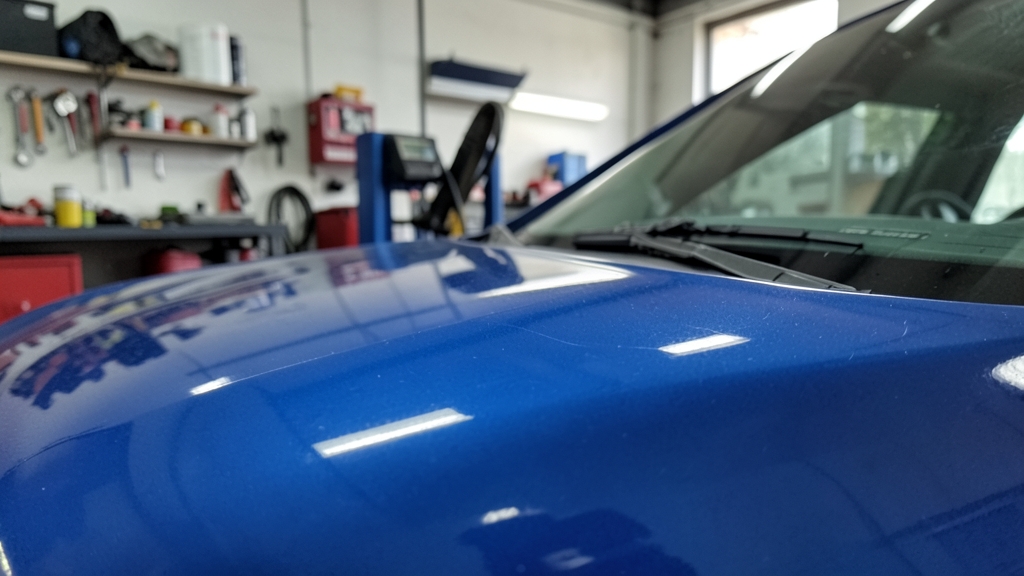
Your once-beading ceramic coating now lets water sheet instead of roll off. This isn’t just an eyesore—it’s a sign your protection is compromised. In Roseville’s dry heat and mineral-rich water, even premium coatings lose hydrophobicity faster than you’d expect. Let’s diagnose the root causes and fix them for good.
What Hydrophobicity Actually Means for Ceramic Coatings
Hydrophobicity measures how well a surface repels water. In ceramic coatings, this comes from the nano-structured SiO2 (silica) matrix creating a high-contact-angle surface. Water forms tight beads and rolls off, carrying dirt with it.
A fresh coating in Roseville typically achieves a contact angle of 110°–120°. As this drops below 90°, water starts sheeting, and protection weakens. This isn’t just cosmetic—it’s functional.
Top Reasons Your Coating Lost Its Water-Beading Power
Improper maintenance is the top cause. Harsh soaps, automatic car washes with abrasive brushes, or DIY wax layers can strip the coating’s top layer. Even ‘pH-balanced’ shampoos may contain fillers that leave residue.
Environmental contaminants are relentless here. Roseville’s hard water leaves mineral deposits (calcium, magnesium) that etch into the coating. Brake dust, road tar, and industrial fallout from nearby Lincoln or Rocklin also accelerate degradation.
UV exposure breaks down the silica matrix over time. Our long, sunny seasons intensify this, especially on horizontal surfaces like hoods and roofs. Without regular rejuvenation, the coating’s hydrophobic layer thins.
Never use dish soap or degreasers on a ceramic-coated vehicle. These strip the hydrophobic layer instantly and can require a full reapplication.
How Roseville’s Climate Accelerates Hydrophobic Loss
Our hot, dry summers and cold, foggy winters create a perfect storm. Temperature swings cause the coating to expand and contract, stressing the chemical bonds. Fog and morning dew introduce moisture that, when combined with dust, forms a slurry that wears the surface.
Hard water is a silent killer. Minerals in Roseville’s tap water bond to the coating during washes or rain, creating a rough, hydrophilic layer. This is why even ‘clean’ cars here often lose beading faster than in softer-water regions like Granite Bay.
Contaminant Breakdown: What’s Attacking Your Coating
Not all contaminants are equal. Here’s how they differ in impact and removal difficulty.
| Contaminant | Source | Effect on Hydrophobicity | Removal Difficulty |
|---|---|---|---|
| Hard water minerals | Tap water, sprinklers | Etches surface, reduces beading | Moderate (requires acid-based cleaner) |
| Brake dust | Braking systems | Embeds in coating, creates rough texture | High (iron remover + clay bar) |
| Road tar | Asphalt, construction | Bonds chemically, disrupts surface tension | High (specialized tar remover) |
| Industrial fallout | Factories in Rocklin/Citrus Heights | Oxidizes coating, dulls finish | Moderate (fallout remover) |
| Tree sap | Local oaks, pines | Sticky residue attracts dirt, degrades bonds | Low (isopropyl alcohol or dedicated sap remover) |
Can You Restore Hydrophobicity Without Recoating?
Yes—if the coating isn’t fully degraded. A maintenance spray or SiO2 boost can temporarily revive beading. These products replenish the hydrophobic layer but won’t fix deep contamination or UV damage.
For heavier cases, a light polish followed by a ceramic spray sealant can restore 80–90% of original performance. This is a cost-effective middle ground before committing to a full reapplication.
After any restoration, apply a ceramic spray sealant every 3–4 months. This extends hydrophobicity between professional services, especially during our dusty spring and fall seasons.
When to Consider a Full Reapplication
If water no longer beads *at all*—even after cleaning and a spray sealant—your coating’s base layer is likely compromised. In Roseville, this typically happens after 2–3 years for consumer-grade coatings, or 4–5 years for professional-grade ones.
Other signs: swirl marks are more visible, water spots etch into the paint, or the surface feels rough. At this point, a full paint correction and new ceramic coating application is the only solution.
Maintenance Routine to Preserve Hydrophobicity in Roseville
Wash your vehicle every 1–2 weeks using a pH-neutral ceramic-safe shampoo. Always pre-rinse to remove loose dirt, and use the two-bucket method to avoid swirls.
Dry with a high-quality microfiber towel or a blower to prevent water spotting. In Roseville’s hard water, leaving droplets to air-dry often results in mineral deposits.
Weekly Hydrophobicity Checklist
- Pre-rinse with pressure washer to remove loose contaminants
- Wash with ceramic-safe shampoo and grit guards
- Decontaminate with iron remover every 3 months
- Apply SiO2 spray sealant every 3–4 months
- Inspect for water beading after each wash
How Other Services Can Extend Your Coating’s Life
Pairing ceramic coating with paint protection film (PPF) in high-impact areas (front bumper, hood) shields against rock chips and bug splatter—common on Roseville’s highways. PPF itself can be ceramic-coated for added hydrophobicity.
Regular paint correction before coating application ensures a smooth, contaminant-free surface. This is critical for longevity, especially for vehicles exposed to Antelope’s dusty roads or Lincoln’s agricultural runoff.
Interior ceramic protection and ceramic window tinting complement exterior coatings, offering a full-vehicle shield against UV and stains. Many clients in Granite Bay opt for this comprehensive approach.
How to Test Your Ceramic Coating’s Hydrophobicity at Home
A simple water test can reveal if your coating is still performing.
- 1Clean the Surface
Wash and dry a small section of your car’s paint, such as the hood or roof. Use a ceramic-safe shampoo and microfiber towel.
- 2Spritz Water
Use a spray bottle to mist a small amount of water onto the cleaned area. Distilled water works best to avoid mineral interference.
- 3Observe the Beading
Watch how the water behaves. Tight, round beads that roll off indicate strong hydrophobicity. Sheet-like water means the coating is failing.
- 4Check the Contact Angle
For a more precise test, place a droplet on the surface. Measure the angle where the droplet meets the paint—above 90° is good, below means it’s time for maintenance.
- 5Compare Areas
Test multiple panels. If hydrophobicity varies, some areas may need spot treatment or decontamination.
Frequently Asked Questions
Why does my ceramic coating bead less in Roseville’s winter than summer?
Cold temperatures can temporarily reduce the coating’s surface energy, making water sheet instead of bead. Additionally, winter road salts and grime from nearby areas like Citrus Heights accelerate contamination. A thorough decontamination wash often restores performance.
Can automatic car washes ruin my ceramic coating in Ceramic Coating Roseville?
Yes. Most automatic car washes use harsh chemicals and abrasive brushes that strip the hydrophobic layer. Stick to touchless washes with ceramic-safe products, or hand-wash to preserve your coating’s integrity.
Is it normal for a new ceramic coating to lose hydrophobicity quickly?
No. A properly applied professional coating should maintain strong beading for at least 1–2 years. If it fails sooner, the issue is likely improper prep (e.g., residual contaminants) or low-quality products. Always choose experienced installers for Ceramic Coating in Roseville.
How does hard water affect ceramic coating hydrophobicity?
Hard water minerals (calcium, magnesium) bond to the coating’s surface, creating a rough, hydrophilic layer. This reduces beading and can etch the coating over time. Using a water softener or distilled water for final rinses helps mitigate this.
Can I use a clay bar on a ceramic-coated car?
Yes, but sparingly and with lubrication. A clay bar removes embedded contaminants that washing can’t, but aggressive use can strip the coating’s top layer. For Roseville’s conditions, limit claying to 1–2 times a year and follow with a spray sealant.
What’s the difference between a ceramic spray and a full coating?
A ceramic spray is a temporary top-up that restores hydrophobicity for a few months. A full coating involves a multi-layer application that bonds chemically to the paint, lasting years. Sprays are great for maintenance; full coatings are for long-term protection.